
If you have ever left a physical therapy session feeling rushed, unseen, or like you spent more...
When you are sidelined by an injury, your first question is almost always: how long until you can get back to what you love? Whether you are training for a local road race or simply want to move through your day without pain, time is your most valuable asset.
At Whole Health Solutions & Sports Performance, we understand the frustration of feeling like your body is holding you back. While every person and injury is unique, understanding typical physical therapy timelines can help you set realistic expectations and stay motivated throughout your recovery.
Factors That Affect Your Physical Therapy Recovery Time
The duration of your physical therapy program is not a random number. It is shaped by several key variables that a skilled therapist will assess from your very first visit.
- Injury severity and type: A mild muscle strain generally heals faster than a complete ligament tear or a complex joint injury.
- Individual health and fitness level: Your baseline strength, nutrition, and overall health play a significant role. Active individuals often recover more efficiently due to better muscle memory and conditioning.
- Adherence to your program: Consistency is the bridge between where you are and where you want to be. Engaging with your prescribed exercises and lifestyle modifications directly determines your speed of progress.
- Addressing the root cause: Treating symptoms alone may bring short-term relief, but identifying and correcting underlying movement imbalances is what prevents long-term setbacks and recurring injuries.
Typical Timelines for Common Injuries
While every plan is individualized, biological healing timelines offer a useful framework for the most common orthopedic conditions.
Soft Tissue Injuries
Muscle strains, ligament sprains, and tendon injuries respond well to structured physical therapy. For acute Grade 1 or Grade 2 sprains and strains, significant pain relief is often achievable within two to four weeks. However, returning to high-impact sports performance training or demanding physical activity typically requires six to twelve weeks to ensure the tissue can safely handle load.
Chronic conditions such as Achilles tendinopathy, tennis elbow, or IT band syndrome often require eight to sixteen weeks of consistent, progressive loading to properly remodel the affected tissue.

Joint Injuries and Post-Surgical Recovery
Non-surgical joint issues, including hip impingement, runner's knee, or meniscus irritation, often show meaningful progress within six to twelve weeks of targeted orthopedic physical therapy.
Post-surgical rehabilitation, such as recovery following ACL reconstruction or rotator cuff repair, requires a longer commitment. These recovery journeys typically span six to twelve months, with structured return-to-sport testing used to confirm readiness before full activity resumes.
The Whole Health Solutions & Sports Performance Difference
Many patients in Shirley come to us after feeling like just another number at high-volume clinics. Our approach is intentionally different.
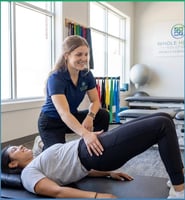
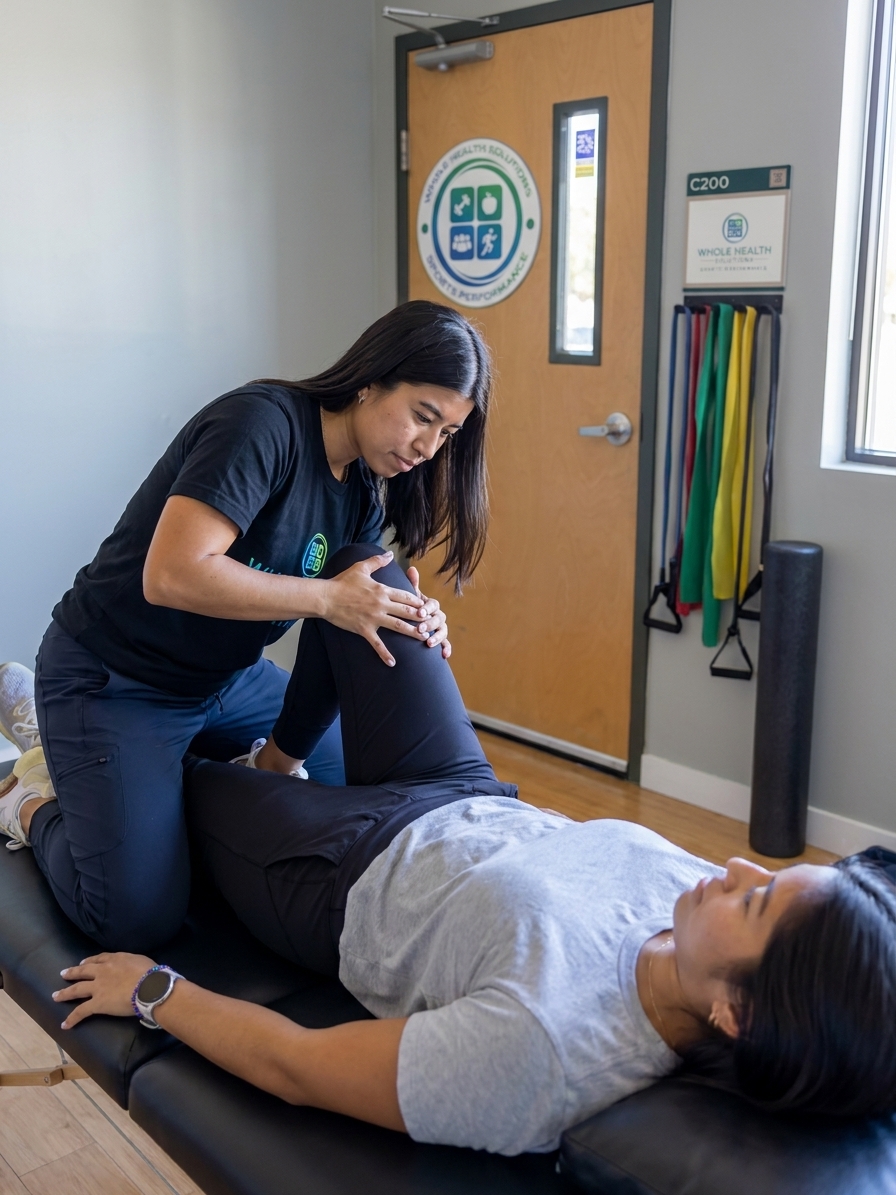
At Whole Health Solutions & Sports Performance, care is delivered one-on-one. You work directly with a Doctor of Physical Therapy for the full duration of your session, allowing for precise manual therapy, dry needling, joint mobilization, and real-time program adjustments. Techniques such as blood flow restriction (BFR) and myofascial release are integrated when appropriate to support tissue healing and maintain muscle mass throughout recovery.
This root-cause approach means we are not simply managing your pain. We are correcting the movement patterns and mechanical imbalances that caused the problem in the first place.
From Recovery to Performance
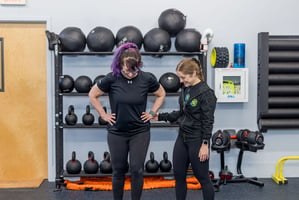
Being pain-free is the starting point, not the finish line. At Whole Health Solutions & Sports Performance, we bridge the gap between clinical rehabilitation and peak physical performance through our sports performance training and strength and conditioning services.
Once your initial pain has resolved, the focus shifts to building resilience. Tools like running gait analysis, functional movement assessments, and return-to-sport progressions help ensure you come back stronger than before. This seamless transition from treatment to performance training is what helps patients in Shirley avoid the cycle of recurring injuries.
Setting Realistic Expectations for Your Recovery
Recovery is rarely a perfectly straight line. There will be strong days and slower days. Keeping the following in mind will help you stay on track.
- Trust the process: Genuine tissue healing takes biological time. Sustainable results require patience and consistency.
- Communicate openly: If something feels off between sessions, speak up. Timely feedback allows your therapist to adjust your plan before small setbacks become larger ones.
- Celebrate progress: Milestones like sleeping through the night, walking without a limp, or returning to a workout class all matter. Recognize them.
Take the Next Step Toward Recovery in Shirley
You do not have to navigate your recovery alone. At Whole Health Solutions & Sports Performance, our team is committed to helping you understand your body, move better, and reach your goals through expert, personalized care. Whether you are managing chronic low back pain, recovering from a sports injury, or working toward a specific performance goal, we are ready to help.
Visit Whole Health Solutions & Sports Performance to schedule your evaluation and experience the difference that dedicated, one-on-one physical therapy can make.